Cairo's museums amplify different voices. Choose the institution by the narrator you need—maker, archaeological record, cross-period synthesis, living religious history or specialist material—then build realistic geography around that choice.
GEM: monument, maker and long ancient sequence
GEM supports comparison across ancient materials, royal programs and large-scale display. Enter with one voice: workshop decisions, patronage or changing use. Breadth then provides evidence rather than pressure to complete every gallery. If the Giza plateau shares the day, decide whether museum or landscape is the anchor.
Tahrir: archaeological record and museum history
The Egyptian Museum's dense collection can restore variation and historical excavation relationships when numbers and labels are followed carefully. Its building and case history also speak. Separate objects found together from objects placed together and let older display practice become a subject rather than a flaw to ignore.
NMEC: curator, community and continuity
NMEC organizes work, belief, technology and society across periods. Its strength is synthesis, including later and modern histories; its limit is the depth possible for every specialist field. Use one cross-period question, then identify the voice that would need a specialist museum or official collection source.
Coptic Museum: texts, makers and living setting
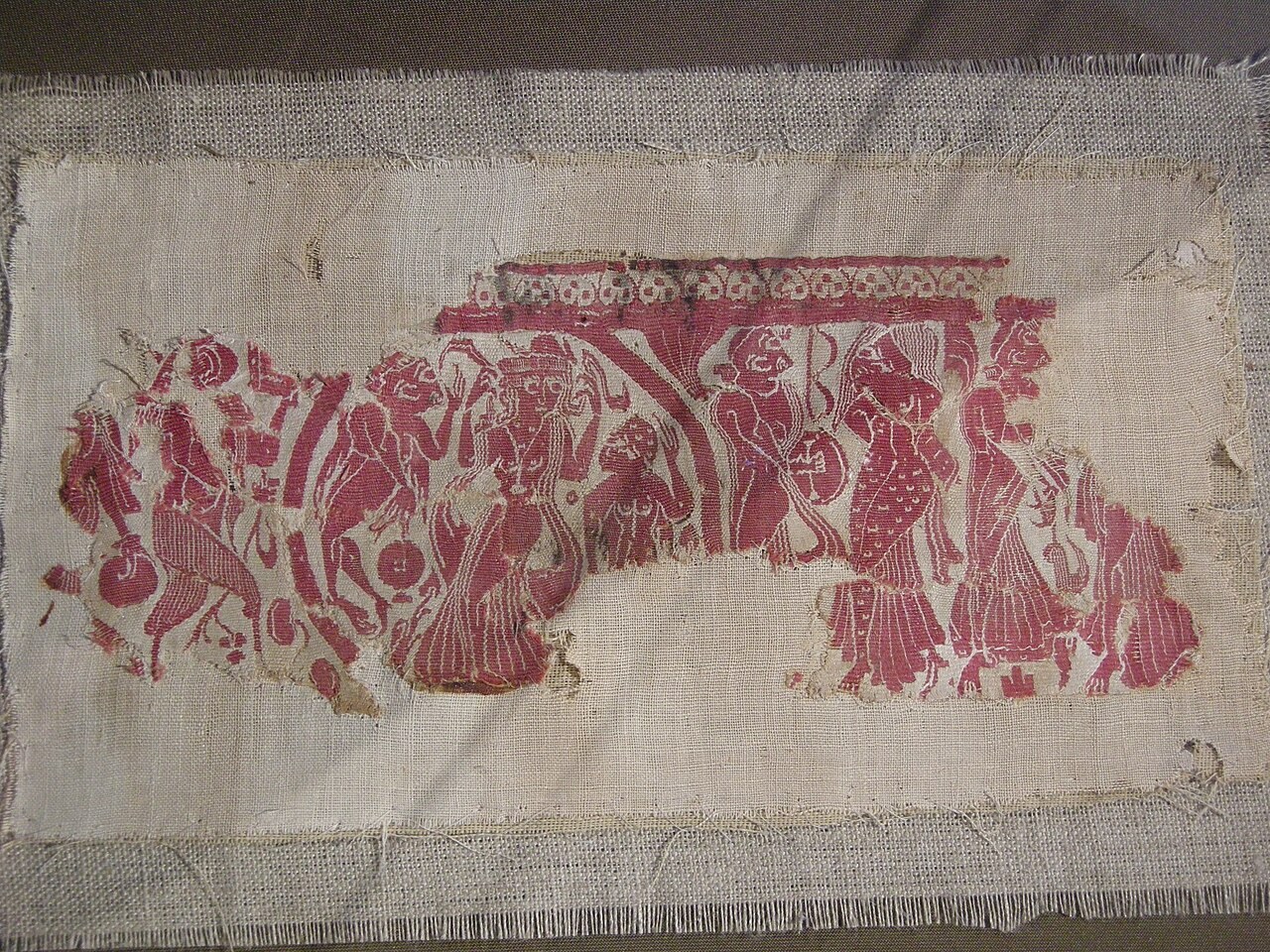
Manuscripts, textiles, icons, carved wood and architectural fragments reveal workshops, readers and religious institutions. Old Cairo can add context, but active churches are not extensions of the museum. Respect access and worship while keeping archaeological, museum and community voices distinct.
Museum of Islamic Art: workshops and urban networks
MIA lets material and writing speak across metal, ceramic, wood, glass, textile and manuscript. Follow one technique, identify patron and user separately, and ask how building, market, school, mosque or household returns through the object. Cairo appears inside wider exchange rather than as one fixed style.
Match question to museum
| Voice to follow | Strong start |
|---|---|
| Ancient makers and monumental patrons | GEM |
| Excavation and display history | Tahrir |
| Cross-period and modern synthesis | NMEC |
| Coptic readers and communities | Coptic Museum |
| Islamic workshops and networks | Museum of Islamic Art |
Keep districts and energy visible
Giza, central Cairo, Fustat and Old Cairo require real transfers. Security, entrances, traffic and heat shape what visitors can hear from a display. One anchor, one proper break and one optional second voice are stronger than a three-museum race.
Let the second museum disagree
Carry one unresolved role or claim. A royal patron at GEM may become an archaeological-display question at Tahrir; continuity at NMEC can be tested against specialist detail. Do not force institutions into one answer. Their difference is the comparison.
Choose for the people in the group
A museum can fit the research question and still be a poor practical choice on a particular day. Consider walking distance, seating, sensory load, reading level, interests and available time. Children may respond to material and movement; repeat visitors may prefer one specialist comparison. Confirm specific access directly instead of treating a general statement as a guarantee.
Prepare a substitute voice
Displays rotate and galleries close. Choose a relationship that can move: maker traces across two materials, user roles across three objects, or archaeological group versus curatorial grouping. A substitute keeps the purpose intact when one celebrated object is absent and prevents the day from becoming a search for a single image remembered online.
Primary sources reviewed 29 July 2026: GEM ↗ · Egyptian Museum ↗ · NMEC ↗ · Coptic Museum ↗ · Museum of Islamic Art ↗. Displays and visitor conditions may change.