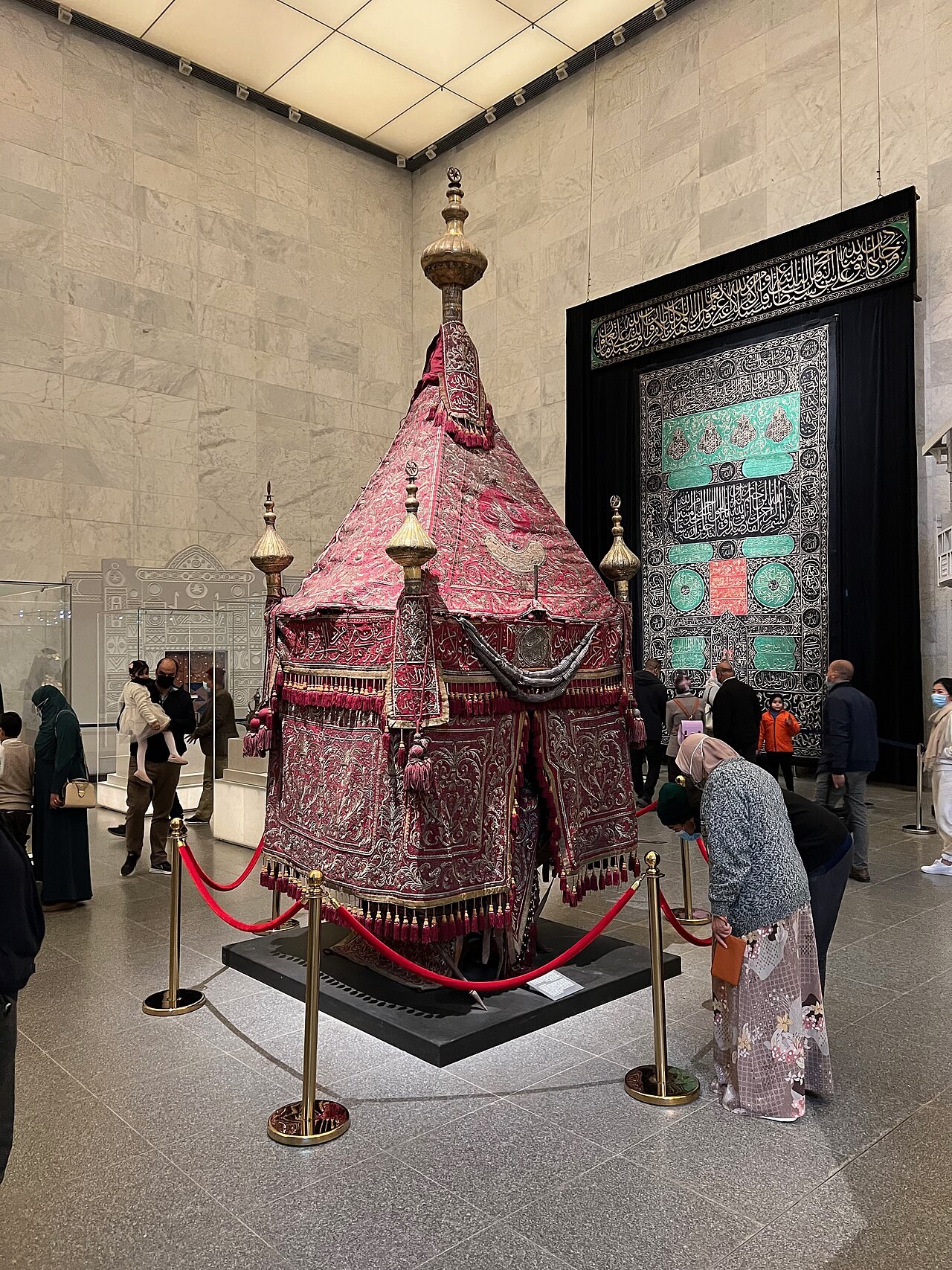
Museums hold archaeological objects and living histories. Community voice enters through language, devotion, memory, craft, displacement and debate, but it should never be treated as one timeless or unanimous perspective.
Ask which community and which moment
Regional, religious, professional and family identities overlap. A label saying “the community” may hide internal difference and historical change. Look for named speaker, place, date and the process through which testimony or an object entered the collection.
Keep living culture in motion
Language, music, clothing, house forms and craft change through migration, technology and individual choice. Do not present modern practices as untouched survivals that explain ancient objects automatically. Continuity must be demonstrated, while adaptation is part of the history rather than evidence of loss.
Respect active religious settings
A museum can contextualize manuscripts, icons, architectural fragments and devotional objects. Nearby churches, mosques and monasteries are not simply additional galleries. Confirm access, dress and service times, follow community rules and accept that worship may take priority over sightseeing.
Hold preservation and displacement together
The Nubian monument rescue campaign preserved major sites through international cooperation. Dam construction also displaced communities and transformed landscapes. Achievement and loss belong in the same account. Identify whether evidence comes from archaeological records, institutional history or community testimony.
Distinguish archaeological identity from present identity
Ancient political labels and modern community names can relate without being identical. Avoid using one ancient object to define a living group or using modern identity as a simple key to the past. Dates, language, geography and self-identification keep the relationship precise.
Look at acquisition and representation
Modern clothing, tools, photographs and recordings may enter through donation, commission, field collecting or documentation. Each route affects whose choices shape the display. Check whether makers and users are named and whether their explanation appears beside the curatorial one.
Allow disagreement and silence
Communities do not have to agree about display, terminology, human remains or the meaning of heritage. Absence of a quoted voice may reflect format rather than consensus. A responsible visitor records which perspective is present, which institution selected it and what remains unresolved.
Carry the question outside carefully
Regional museums can sharpen attention to landscape and living culture. Outside, do not treat people as extensions of exhibits or seek unsolicited explanations. Use public interpretation, respectful conversation and consent, while allowing everyday life to remain more than visitor evidence.
Ask who controls the terminology
Names for places, periods, objects and communities can come from administration, archaeology, scholarship or self-identification. A museum may need several terms to explain historical change. Record the exact word and its source rather than replacing it with the most familiar label. Terminology becomes evidence for power and perspective as well as a navigation tool.
Notice translation as another relationship
Community testimony presented in English has passed through selection and translation. Meaning, tone and local terms may not map perfectly. Look for the original language, translator or editorial note when supplied. Translation can widen access while remaining a modern mediation, not a transparent copy of every nuance.
Primary sources reviewed 29 July 2026: NMEC ↗ · Nubia Museum ↗ · UNESCO Nubian Monuments ↗. Displays and visitor conditions may change.