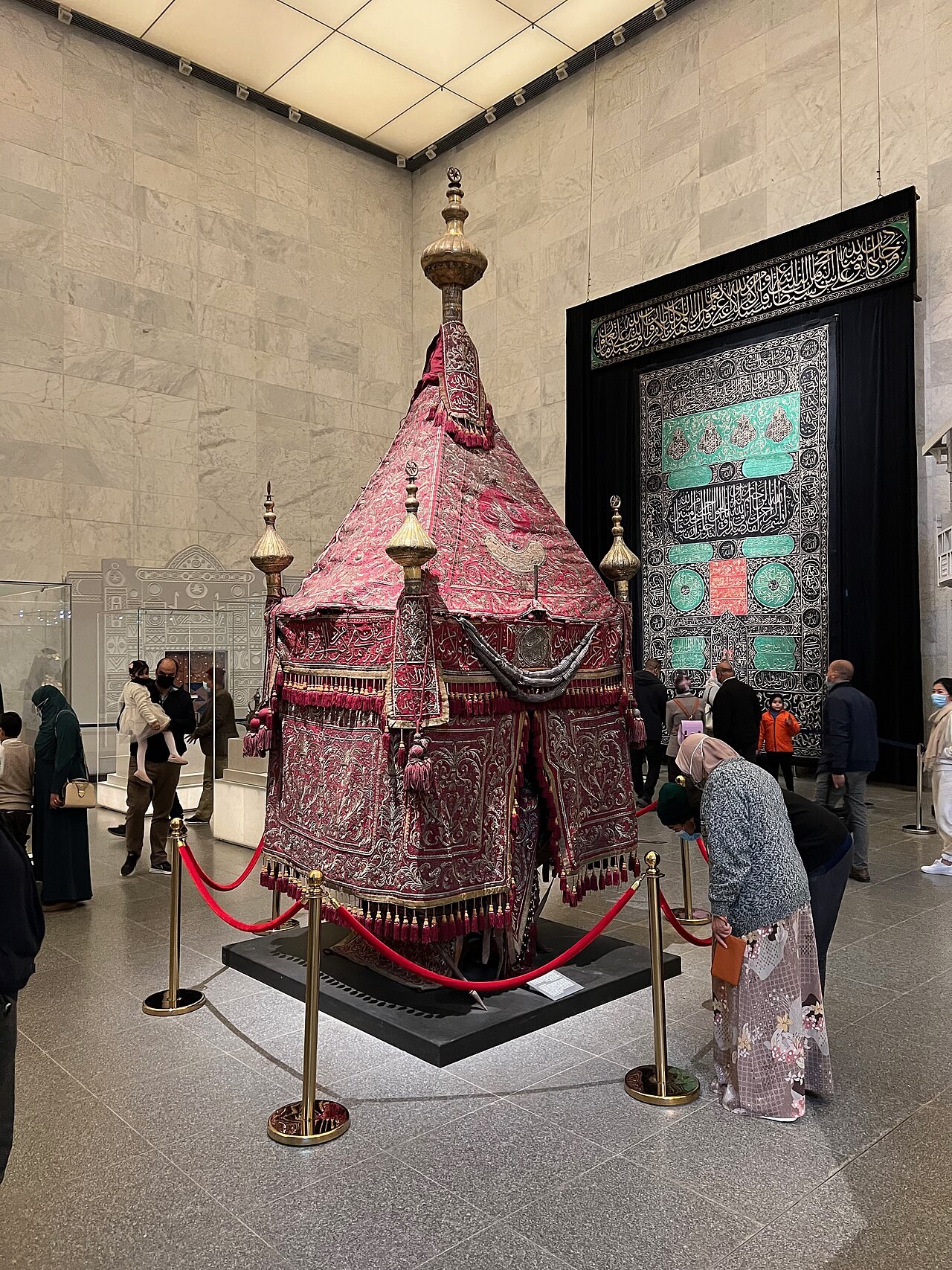
The person named, represented, commissioning, receiving and using an object may not be the same. Follow wear, inscription, find context and later alteration before giving one individual the whole biography.
List the roles before choosing a person
Write maker, patron, donor, represented figure, intended beneficiary, first user and later owner as separate headings. Fill only what the label or object supports. Empty roles are useful because they stop a famous name from absorbing everyone else involved.
Read names in grammatical context
A translated name may appear inside a title, dedication, ownership statement or prayer. Notice the verb and relationship, not only the name. A person represented on a statue can differ from someone who commissioned it; a later inscription can claim an older object without describing its first use.
Use wear to identify actions, not identities
A polished grip, repaired edge or residue may suggest handling, repeated opening or stored contents. It rarely identifies the individual user by itself. State the action first, then connect it with context or text. Modern cleaning may remove traces, so absence of visible wear is not proof that an object was unused.
Keep original use and deposition apart
Household goods could enter burials; architectural pieces could be reused; textiles could shift function. The place where an object was deposited may be the final stage of a longer working life. Compare manufacturing date, repair and find context before assuming it was created for the setting where excavators found it.
Ask who could access the object
Size, placement, portability and architecture shape audience. A monumental inscription, restricted temple object, personal item and liturgical page supported different encounters. Access can involve viewing, touching, hearing, carrying or specialist reading. “Public” and “private” are starting categories, not complete ancient realities.
Make status claims evidence-based
Rare material, title, tomb scale and associated goods may support a claim about wealth or office. One elaborate object does not describe an entire social group. Record which feature indicates status and whether it belongs to the person, institution or ritual setting.
Notice later owners and changing value
Repair, recutting, inheritance, reuse and collection history reveal new owners or purposes. An object can change religious, economic or commemorative value without losing its earlier stages. Label each phase rather than calling all later intervention damage.
Respect the limit of biography
Museum writing often makes an object memorable through a named person. When evidence is fragmentary, resist filling personality, feelings or daily routine from modern imagination. A precise title, relationship or use can create a richer historical person than an unsupported story.
Use associated objects without assigning them automatically
Objects found in one burial, room or cache can reveal shared practice, but association does not prove that one named person personally owned every item. Household, temple and family settings distribute use across several people and generations. Record the documented group first, then state which ownership claim requires an inscription, fit, repeated use or another link.
Let institutions count as users
A temple, procession, office, monastery or charitable foundation can organize an object's use beyond one individual. Titles, storage, repeated ceremony and repair may make that institutional relationship clearer than personal ownership. This perspective prevents the search for a single biography from hiding collective work and long-term custody.
Primary sources reviewed 29 July 2026: NMEC ↗ · Coptic Museum ↗. Displays and visitor conditions may change.