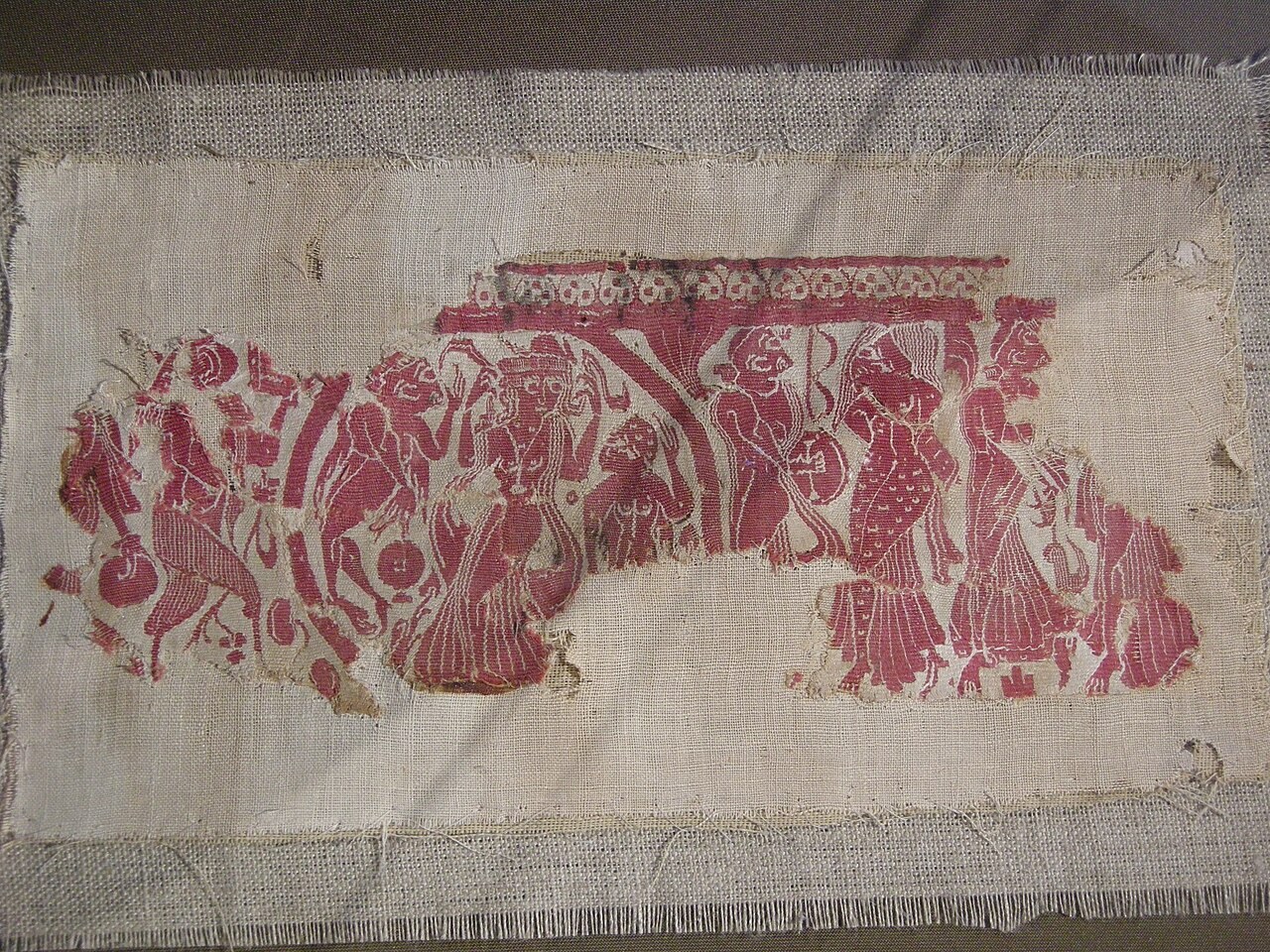
Conservation does not simply make an object look complete. It studies material condition, slows change, supports safe display and records interventions so later specialists can understand what has been done.
Begin with condition, not beauty
Cracks, losses, corrosion, fading and distortion can reveal material behavior and past use. A clean, bright surface is not automatically more authentic. Notice what the museum says about stability, treatment and environment before treating visible damage as neglect or restoration as cosmetic improvement.
Separate ancient repair from modern treatment
Patches, dowels and replacement pieces may belong to an object's working life. Modern fills, mounts and adhesives usually aim to stabilize or clarify. Both are skilled interventions, but they answer different historical questions. Label them by date and purpose whenever the display provides evidence.
Read the mount as an argument
A support determines angle, height and which side is visible. It can redistribute weight, reunite fragments or suggest an original position. Ask which parts of the presentation come from the object and which from the mount. A successful mount may be visually quiet while doing substantial interpretive work.
Use light and rotation as evidence of vulnerability
Low lighting, short display periods, flat presentation and page rotation protect sensitive pigment, textile and manuscript supports. An absent fragile object may be resting rather than “missing.” Build a visit around a material family instead of relying on one item remembered from an old photograph.
Do not diagnose through glass
Color change, residue and cracking have several possible causes. Describe what you observe, then use a conservation label or institutional source. Technical methods such as imaging and material analysis can reveal structure invisible to visitors; a visual guess should not replace their results.
Notice what treatment chooses not to restore
Conservators may leave losses visible, avoid repainting or use distinguishable fills. This preserves evidence and prevents a modern completion from claiming certainty. In other cases structural needs require more intervention. Ask what the treatment makes readable and what uncertainty it keeps.
Connect storage and display
Cases, humidity, temperature, supports and handling procedures continue conservation after treatment. A gallery object is not in a neutral pause. The conditions that let visitors see it also manage risk, and current display may change when material needs require another solution.
Let the conservation record join the biography
Modern treatment belongs to the object's documented history, but it should not erase maker, user or archaeological context. Record date and purpose when known. The conservator's voice is strongest when it explains both the intervention and its limits.
Compare treatment with reconstruction
Stabilizing fragments and proposing their ancient arrangement are related but distinct decisions. A mount may hold a possible sequence while leaving joints visible; a digital image may suggest missing color without applying it. Ask which parts are required for physical safety and which communicate an interpretation. The distinction keeps conservation authority from being mistaken for certainty about the ancient whole.
Respect the information that is not on view
Condition reports and technical images may not appear in a public gallery, and visitors should not infer them from appearance alone. A short treatment note still helps identify the question specialists addressed. Use official resources where available and keep visual observation labeled as observation, especially when color, residue or joins have several explanations.
Primary sources reviewed 29 July 2026: Coptic Museum ↗ · GEM ↗. Displays and visitor conditions may change.