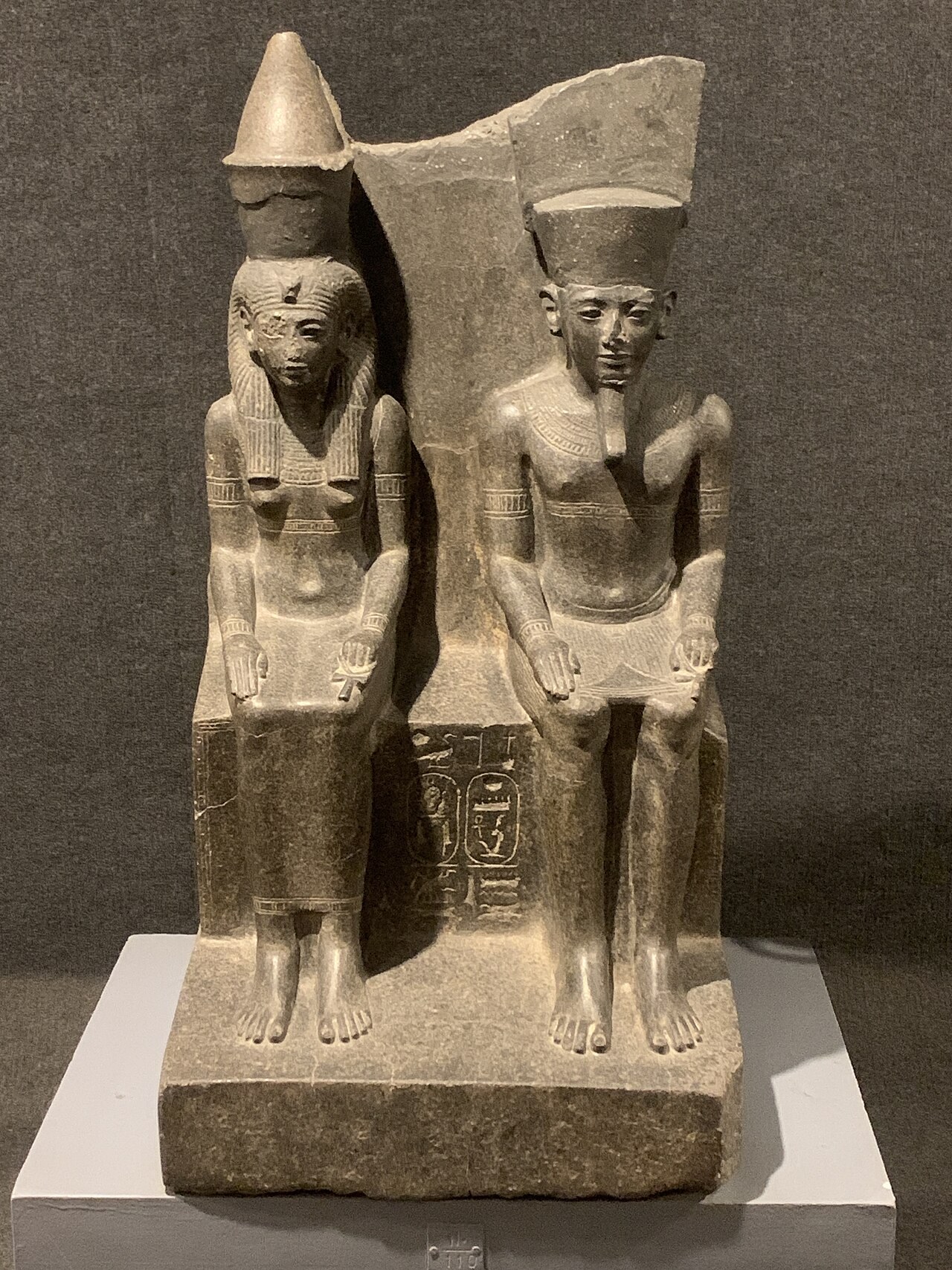
Luxor Museum works best as a conversation between object, archaeological record and Theban landscape. Use one site before the museum and let a small group of objects answer—or challenge—the first interpretation.
Begin with one site voice
Choose Karnak or Luxor Temple rather than exhausting every monument. Record one visible relationship: procession, relief sequence, royal alteration or workshop trace. After rest, carry that question into the museum where controlled light and scale allow a different kind of attention.
Let findspot correct the famous name
Ruler or deity may dominate a label, but temple, cache, bank and excavation group explain how the object entered history. Copy the exact findspot and object number. “Thebes” is useful geography, not the same evidence as a documented architectural location.
Hear the maker at fragment scale
Edges, carving depth, pigment, joins and recutting are easier to see away from monumental height. Identify the technical decision, then reconstruct the missing wall cautiously. The fragment does not restore a whole scene by itself; provenance and comparison must supply neighboring relationships.
Separate ancient and modern reassembly
Blocks could be reused, names altered and statues cached in antiquity. Museums rejoin fragments and build mounts for another purpose. Record the date and aim of each intervention. An object can contain royal, builder, later user and conservator voices without one canceling the others.
Build one documented group
Select three objects linked to one site or discovery. List material, date, ancient role and relationship. Add one nearby piece placed for modern comparison. This reveals both archaeological association and curatorial narration while preventing visual proximity from pretending to be a find context.
Put workers and institutions beside rulers
Officials, tools, non-royal burials and technical surfaces recover quarrying, transport, administration and ritual service. Choose a modest object that changes the interpretation of a royal monument. The king's voice becomes more historical when the systems enabling it remain audible.
Use bank geography carefully
East-bank and west-bank patterns matter, but a simple life-versus-death slogan hides settlement, crossing, workshops, reuse and later urban change. Record exact site and proposed ancient route. The river connected zones that a modern itinerary often separates.
Return one detail to the landscape
Take an inscription direction, crown, join or offering pose outside. Look for the feature at the next site rather than hunting the same object. The museum becomes a bridge between voices. Confirm current operations through official channels; the Ministry link used here is a collection article, not a live visitor page.
Listen to paired figures relationally
A double statue is not simply two independent portraits placed together. Pose, contact, scale, inscription and original setting construct a relationship between figures and viewer. Identify deity, ruler or official from the label, then ask what the pair communicates that either figure alone could not. Museum isolation can clarify detail while removing architectural and ritual partners.
Use light as a changed voice
Controlled gallery light reveals surface and surviving color differently from direct sun at a monument. Note which carving becomes readable and which material effect no longer resembles the ancient setting. The contrast is not a competition between authentic site and artificial museum; each viewing condition supports a different, limited observation.
Primary sources reviewed 29 July 2026: Luxor Museum collection note ↗. Displays and visitor conditions may change.