The Nubia Museum brings regional states, river routes, rescue archaeology, displacement and living communities into one institution. Those voices connect, but they should not be compressed into a single timeless Nubian story.
Let the regional map speak first
Check river direction, modern borders, ancient place names and the date shown. A Cairo-centered map can make Nubia an edge; a regional river map reveals other centers. Compare political, archaeological and rescue maps because each constructs a different geography.
Give regional states their own chronology
Interaction with dynastic Egypt matters without defining every period. Follow local titles, burial practices, materials and political centers. Similar forms may express diplomacy, adaptation, shared tradition or claim. Do not turn resemblance into one-way influence without context.
Follow maker and material across routes
Glass, metal, stone, ceramic and textile connect workshops with river and desert exchange. Place made, place used and place found can differ. Separate trade, tribute, migration and political control where labels permit, and leave the route broad when material origin is uncertain.
Listen to rescue documentation
Plans, photographs, object records and relocated monuments preserve evidence under threat. The international campaign represents major cooperation, but its institutional record has a specific purpose. Ask what scale, orientation and neighboring landscape could not move with the surviving fabric.
Keep displacement beside preservation
Dam construction transformed landscape and displaced Nubian communities. Monument rescue and human loss are not rival stories where only one may be true. Identify whether a case speaks through engineering record, archaeological documentation or named community testimony.
Date the community voice
Language, music, craft, clothing and houses change. Look for maker, speaker, place and date rather than reading modern objects as untouched survivals. Living identity can connect with archaeology without being reduced to an illustration of the ancient past.
Use later objects to challenge the boundary
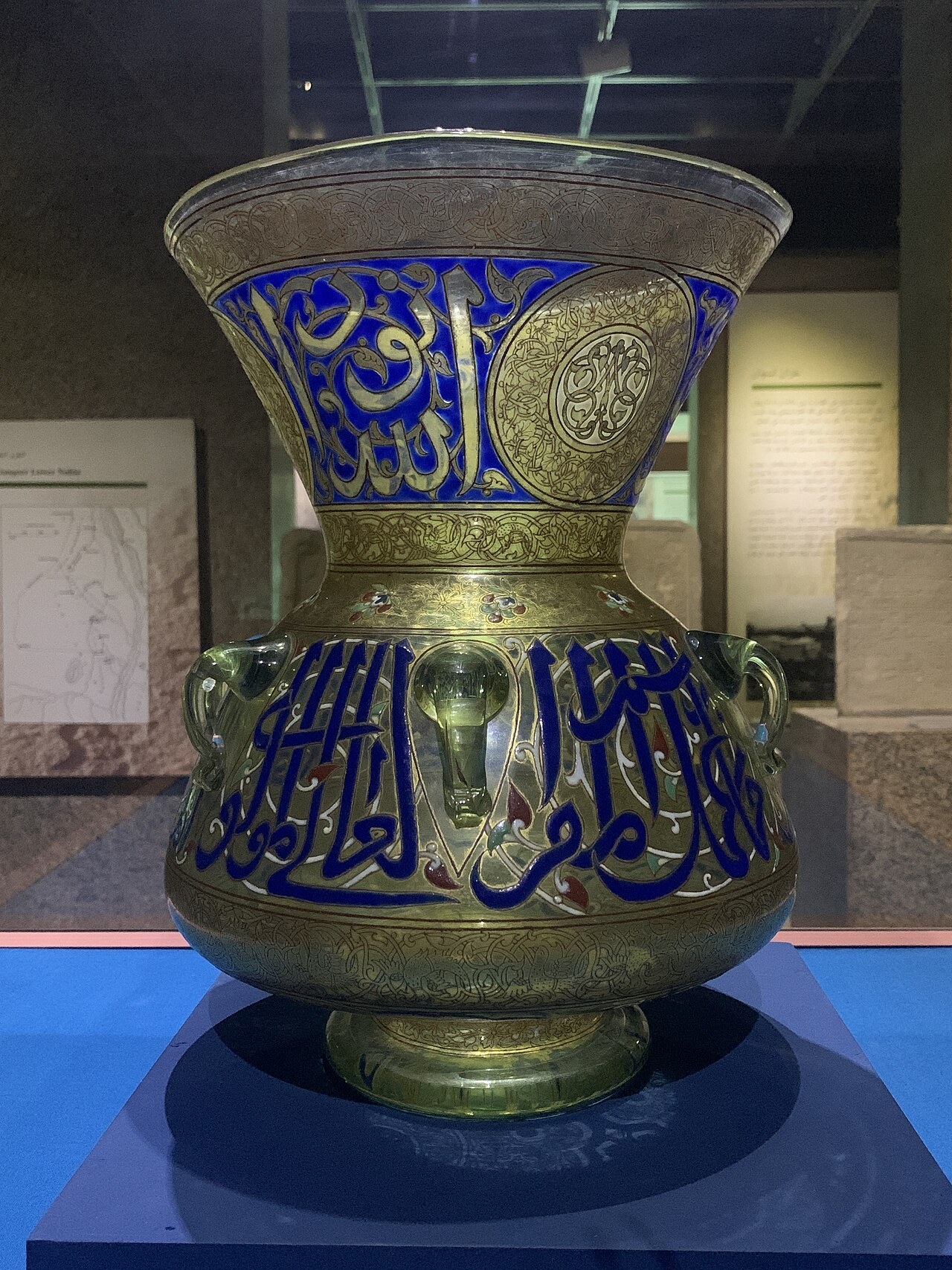
Islamic and Ottoman-period material, including glass and metalwork, keeps Nubian history moving beyond an ancient-only frame. Ask who made, used and traded the object, and why the regional museum places it here. Later histories reveal networks and communities a dynasty sequence may overlook.
Compare museum and outdoor voice
Garden displays alter scale, light and relationship to terrain. They also create different conservation and access conditions. Notice what landscape makes clearer and what documentation remains essential. Confirm the outdoor route before relying on it for a particular access need.
Let one later object cross categories
A glass lamp can speak through maker, material route, devotional or architectural setting, regional collection history and modern display. Follow all five rather than treating it only as decoration or as proof that a broad style reached Nubia. The exercise shows why later-period objects are central evidence for regional networks, not an epilogue after archaeology.
Identify the museum's transitions
Notice how the gallery moves between ancient kingdoms, later periods, rescue history and living culture. Does architecture, label design or a change in object type mark the shift? Record what connects the sections and what remains deliberately different. A smooth visitor route should not be mistaken for one continuous historical identity.
Primary sources reviewed 29 July 2026: Nubia Museum ↗ · UNESCO Nubian Monuments ↗. Displays and visitor conditions may change.